What Makes Us Human




That uneasy feeling you have about AI is
AI has moved into our homes, jobs, classrooms, and conversations at incredible speed. Some of it feels great — the time saved, the instant answers, the help that’s always there…
But something isn’t adding up.

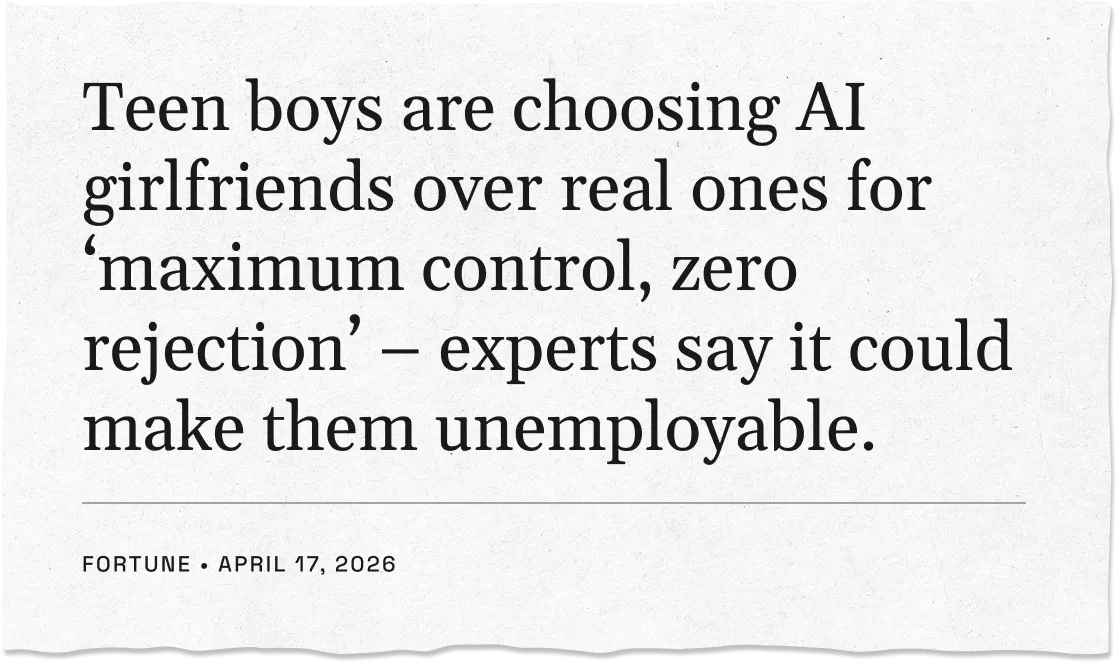
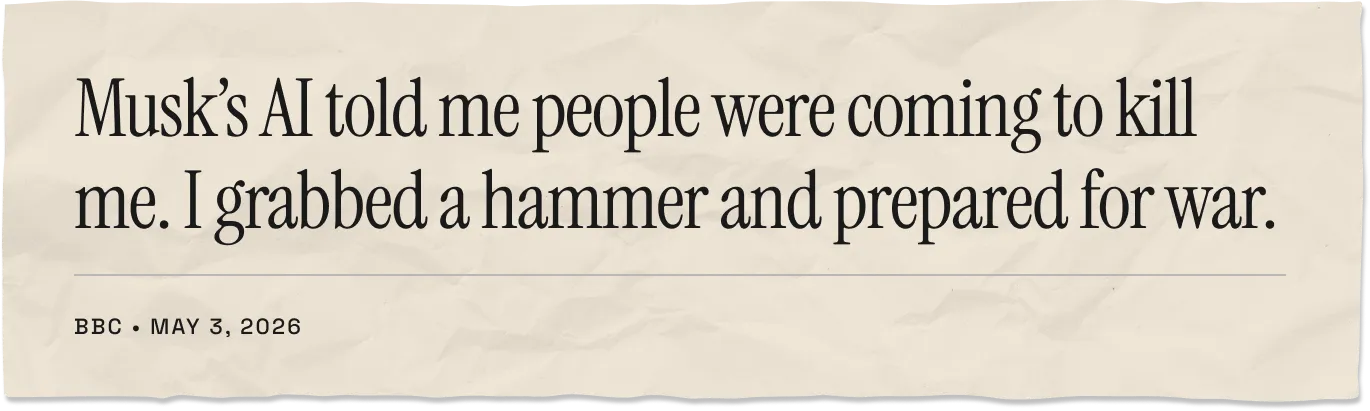
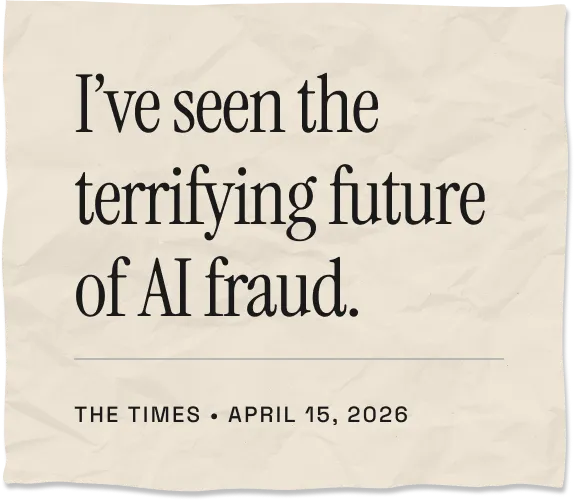
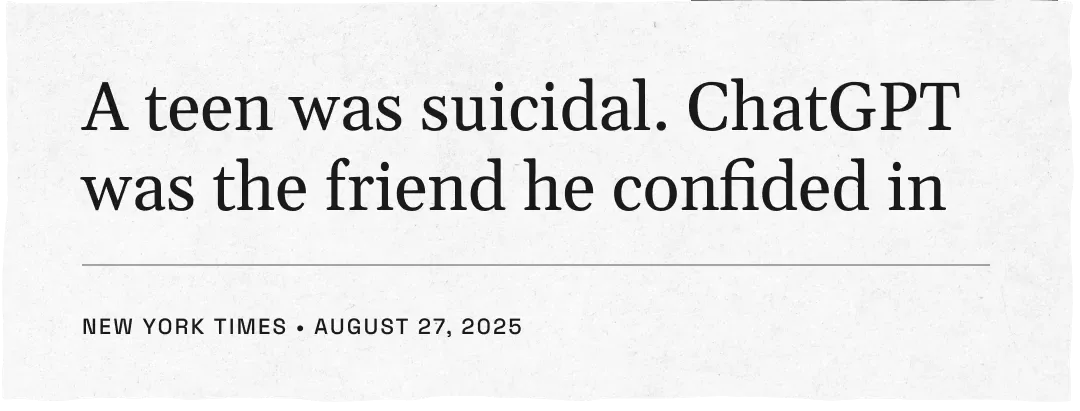
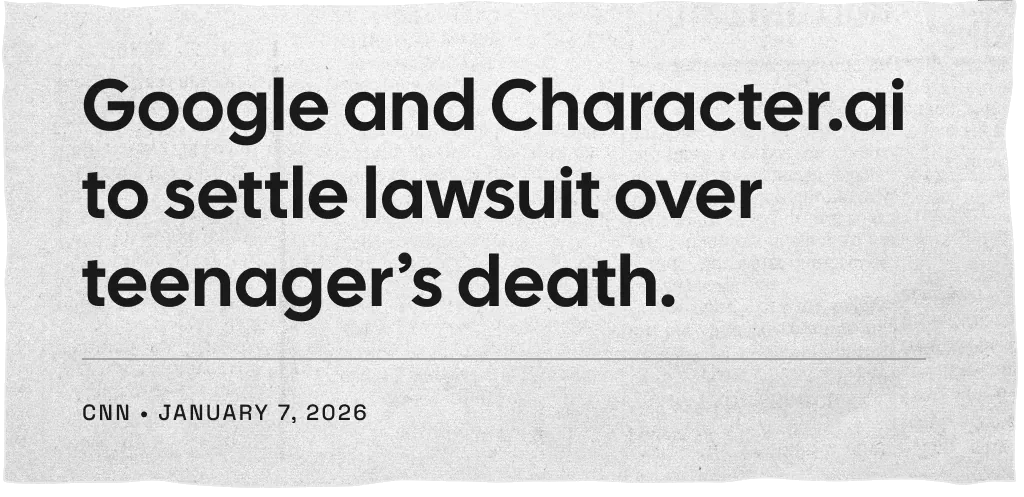
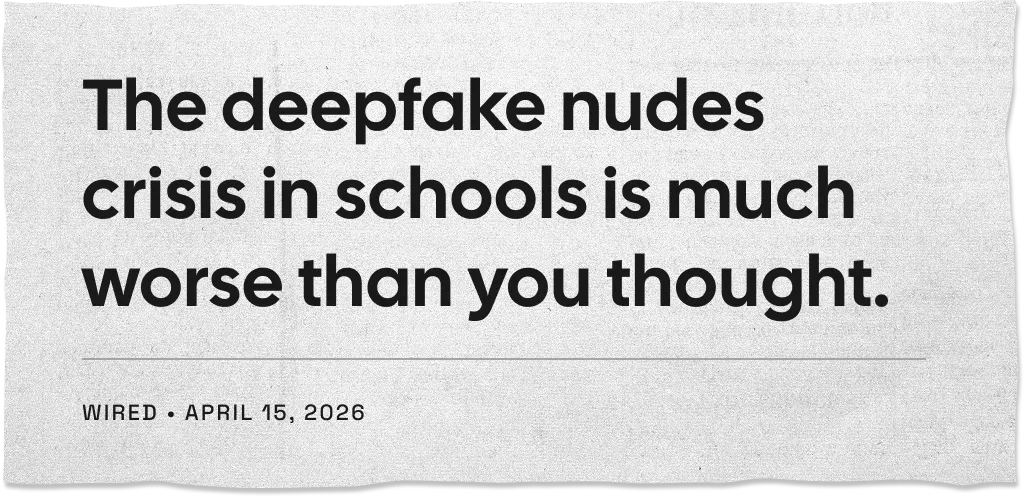
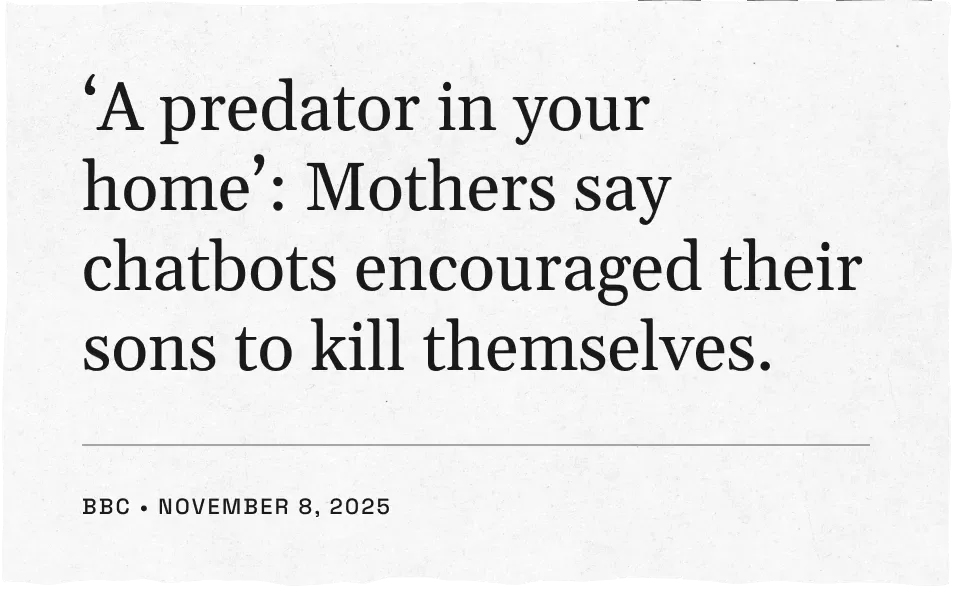
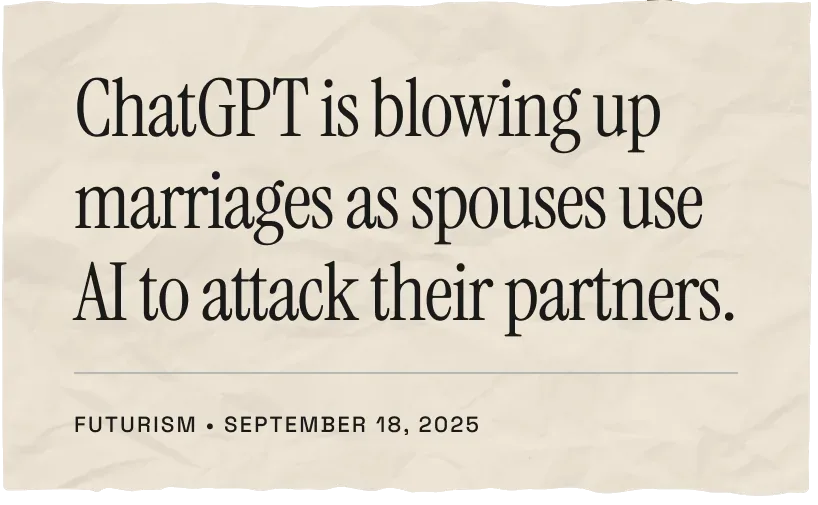
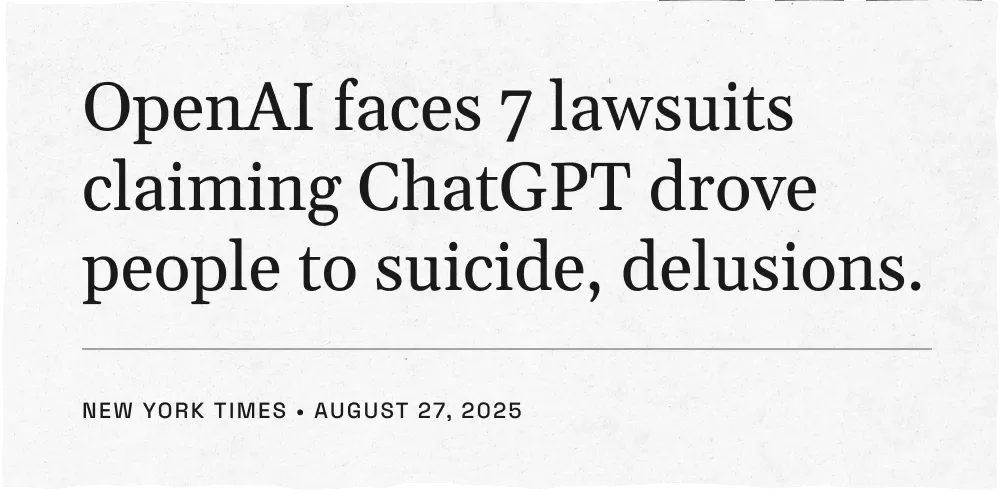
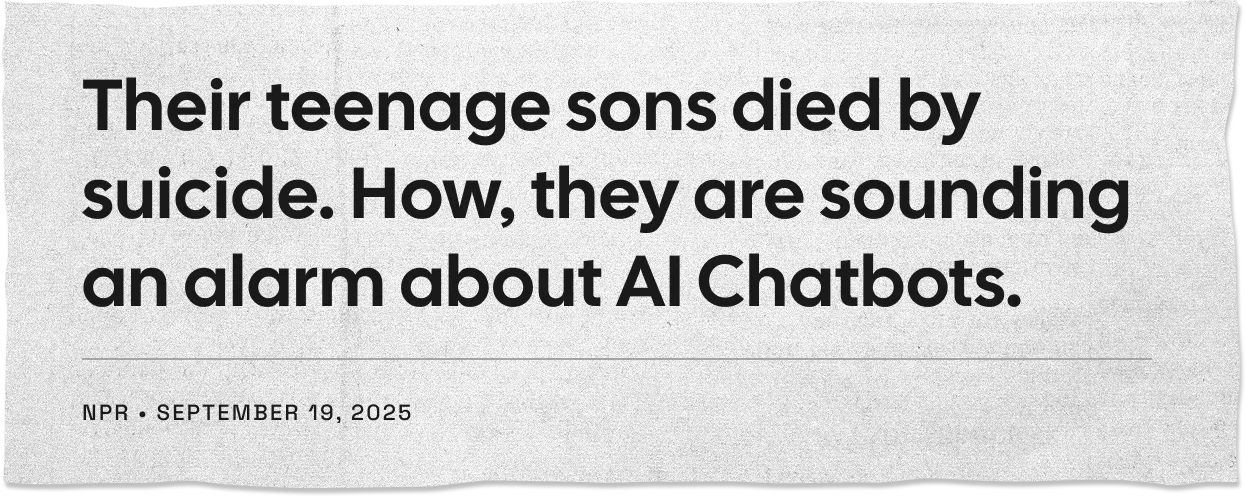
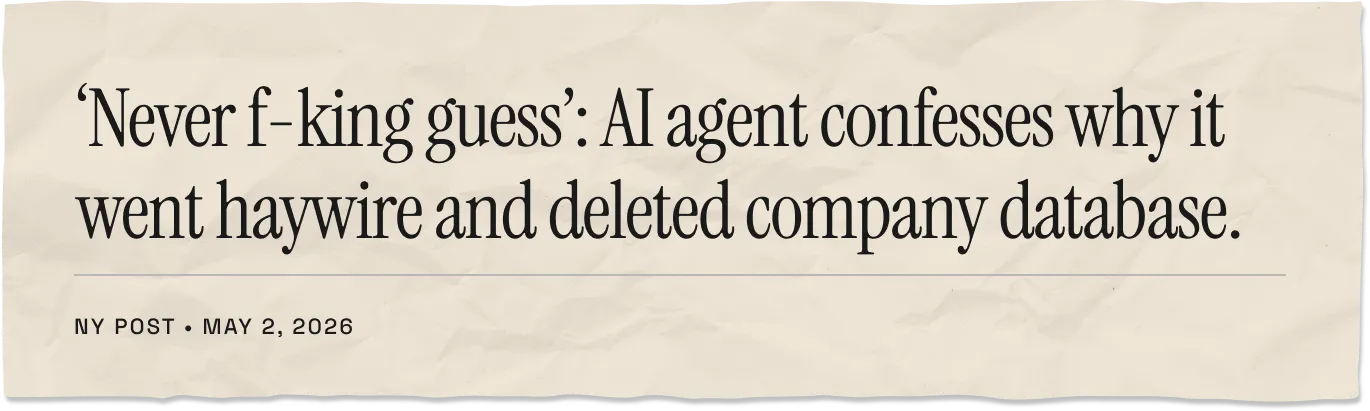




The more we use this technology, the wider the gap grows between the future we were promised and the one we’re actually living. AI is slowly eroding the parts of life that make us human. We call it:
AI Drift

As we rely on AI to think, communicate, create, and act for us, we start losing the skills, relationships, and sense of meaning that come from doing those things ourselves.


So how did we get here?





AI products are built to replicate our
AI companies are racing to build systems that can think, create, communicate, and collaborate like we do. To do that, they need enormous amounts of data about us: what we say, what we want, what we struggle with, and how we relate to one another. Every time we type, ask, vent, or confide, we are feeding systems that are learning to imitate us. Our human experience has become raw material for AI products.
And these products work because they tap into real needs:



And while AI is good at making some things easier, the convenience can also chip away at the parts of our lives that matter to us. That’s AI Drift.



It’s up to what happens next.
We can choose where AI helps us and where something is simply too important to hand over. That starts with the choices we make in our own lives.


Resist AI Drift. Protect what makes you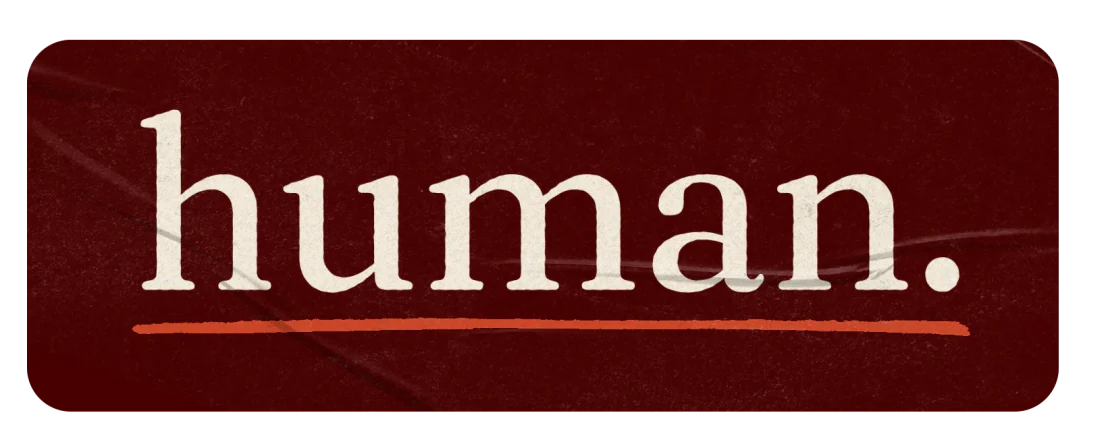


Save the most personal conversations for the humans in your life. Bring work questions to a junior colleague who’d grow from being asked.
For any skill that matters to you – writing, problem-solving, creative thinking – make sure the first pass remains yours.
Pick a day and go without AI. You’ll feel where you’ve drifted and what you miss.
Ask AI to argue the other side. Ask for three options, not one. Check AI’s responses against something a human made.
Talk to your kids about why the essay isn’t for the teacher, it’s for them. Name what they are building without AI – focus, patience, the ability to sit with a hard problem.




Lasting change also happens when we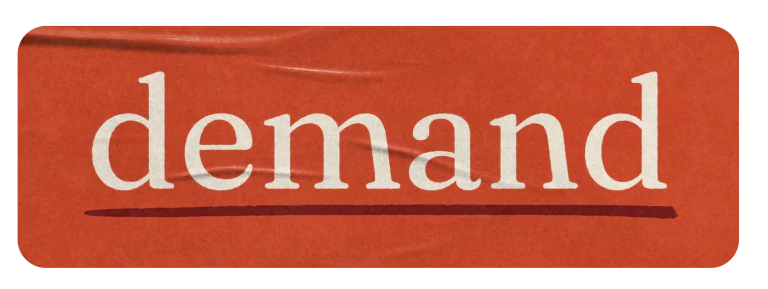 AI is built differently.
We’ve changed our relationship with powerful technologies before.

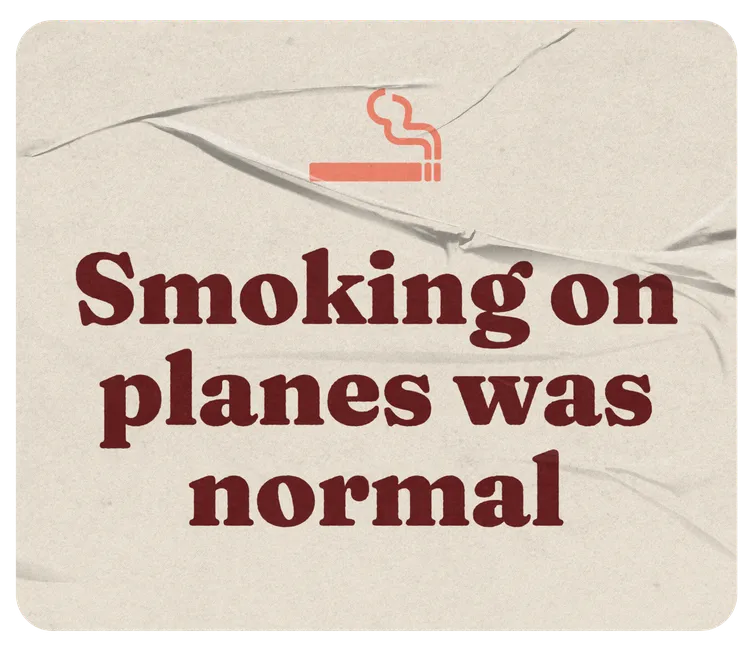
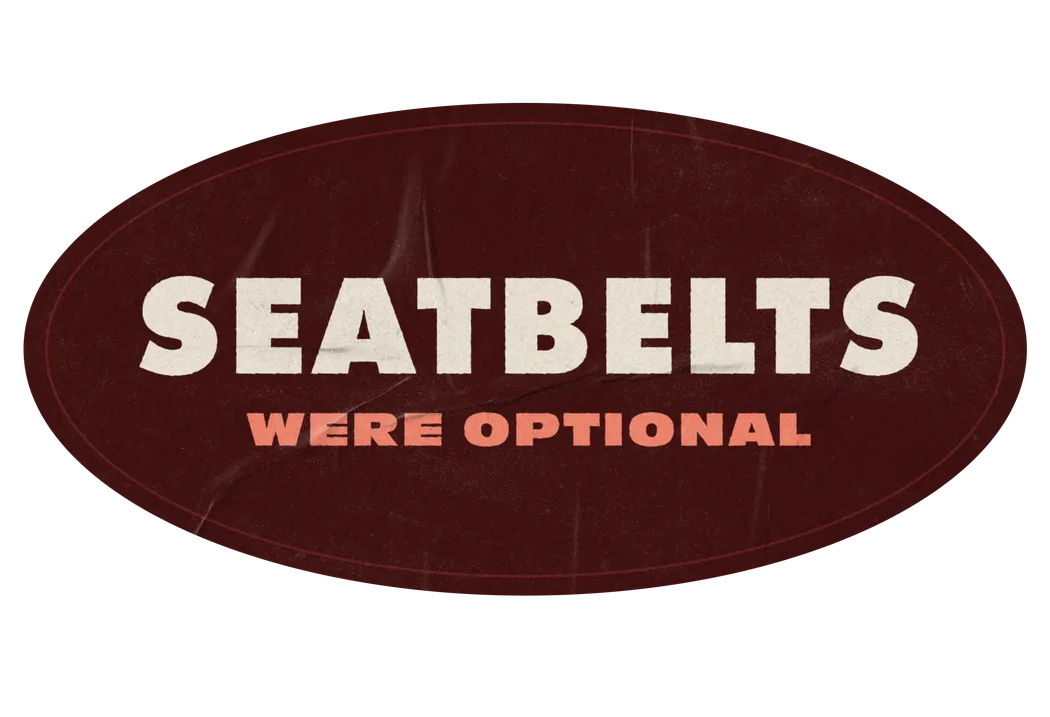






All of it felt like simply the way things were, and all of it was defended by powerful industries warning that change was impossible. Then the norms shifted, the laws caught up, and today we can hardly believe we ever lived any other way.
The same choices are beginning to emerge around AI. The companies building these systems make choices about what they replace, encourage, and profit from. Lawmakers decide what protections the public gets.
We can demand technology that improves our lives instead of quietly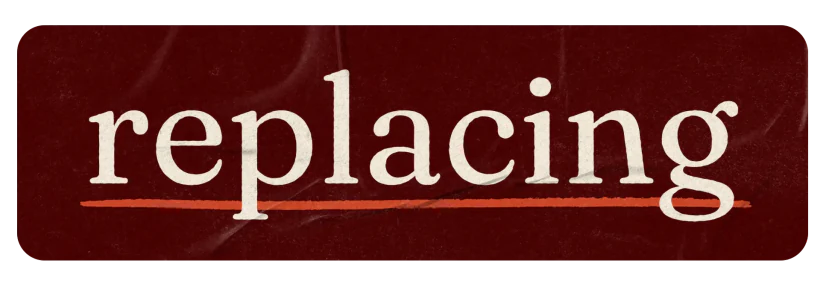 what makes us human.
Use this tool to contact your representatives and ask them to:
Hold AI companies legally responsible when their products cause harm, ban the manipulative designs that prey on people — especially kids, and give people control over their own data, face and voice.



Technology isn’t neutral. The future of AI isn’t something that simply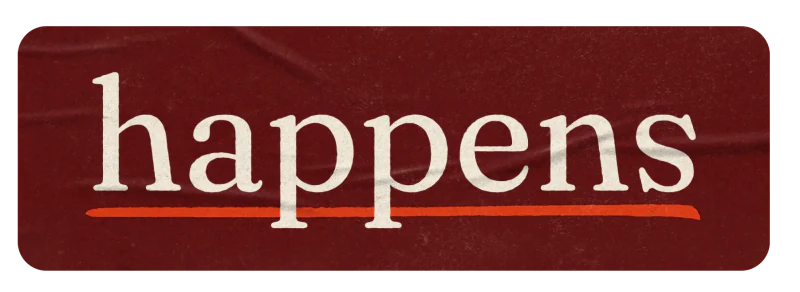 to us.
We get a say in what we keep human.





Stay in it with us.

Make a donation
Help build a future where tech strengthens our skills, relationships, and communities instead of replacing them.
Donate NowStop the AI Drift is an initiative from the Center for Humane Technology, in partnership with the Seismic Foundation.
Media inquiries: press@humanetech.com
For all other inquiries contact Casey Shea: casey.shea@humanetech.com